Friday, May 28, 2010

CDC H1N1 Flu Website Situation Update - May 28, 2010

You are subscribed to updates from the Centers for Disease Control and Prevention (CDC).

CDC H1N1 Flu Website Situation Update, May 28, 2010

NOTE: This is the final weekly H1N1 situation update.

The final CDC influenza activity report for the 2009-10 season is being published on May 28, 2010. While influenza surveillance takes place year-round, official reporting (FluView publication) routinely happens between October and May to coincide with normally occurring influenza activity in the United States. In the absence of unusual influenza activity over the summer of 2010, the final FluView and related updates of the 2009 H1N1 website will appear on May 28, 2010.

The 2009 H1N1 situation updates and other 2009 H1N1 webpages will be archived for historical purposes.

Key Flu Indicators

Each week, year-round, CDC analyzes information about influenza disease activity in the United States. Findings of key flu indicators are published in a report called FluView from October through mid-May to coincide with typical seasonal influenza activity in the United States. During the week of May 16–22, 2010, (the final FluView for the 2009-2010 influenza season) nationally all key flu indicators are low. Below is a summary of the final key indicators. Reporting for the 2010-2011 influenza season will resume in October and appear on the seasonal influenza website.

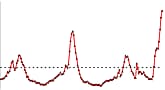
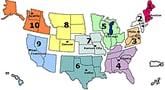
  • Visits to doctors for influenza-like illness (ILI) stayed about the same as last week and are low nationally, with all 10 U.S. regions reporting ILI below region-specific baseline.
  • By the end of April flu hospitalizations had returned to expected levels and, as is customary, hospital reporting was suspended at the end of April. Hospital reporting will resume in October.
  • The proportion of deaths attributed to pneumonia and influenza (P&I) based on the 122 Cities Report is at about what is normally seen during the summer. Three pediatric deaths associated with 2009 H1N1 flu were reported this week. Since April 2009, CDC has received reports of 341 flu laboratory-confirmed pediatric deaths: 285 due to 2009 H1N1, 53 pediatric deaths that were laboratory confirmed as influenza A, but the flu virus subtype was not determined, and three pediatric deaths that were associated with seasonal influenza viruses. During the regular 2009-2010 influenza season (October to May), 276 pediatric deaths were reported to CDC. All but one were 2009 H1N1-related. (Laboratory-confirmed deaths are thought to represent an undercount of the actual number. CDC has provided estimates about the number of 2009 H1N1 cases and related hospitalizations and deaths).
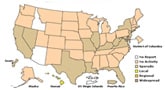
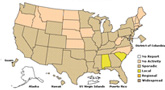
  • No states reported widespread or regional influenza activity. This is the sixth consecutive week that no states reported widespread or regional flu activity. Most states are reporting no activity or sporadic activity. This is typical for May during non-pandemic years.
  • The majority of the influenza viruses identified so far continue to be 2009 H1N1 influenza A viruses. These viruses remain similar to the virus chosen for the 2009 H1N1 vaccine and remain susceptible to the antiviral drugs oseltamivir and zanamivir with rare exception.

*All data are preliminary and may change as more reports are received.

Learn more >> 

U.S. Situation Update

Weekly Flu Activity Estimates

U.S. Patient Visits Reported for Influenza-like Illness (ILI)
U.S. Influenza-like Illness (ILI) Reported by Regions
U.S. Influenza-associated Pediatric Mortality
Posted May 28, 2010 (Updated Weekly)
Data reported to CDC by May 22, 2010
Date Reported
Laboratory-Confirmed 2009 H1N1 Influenza Pediatric Deaths
Laboratory-Confirmed Influenza A Subtype Unknown Pediatric Deaths
Laboratory-Confirmed
Seasonal
Influenza
Total
This Week (Week 20, May 16- May 22, 2010) 3 0 0 3
Since August 30, 2009 225 50 1 276
Cumulative since April 26, 2009 285 53 3 341

This table is based on data reported to CDC through the Influenza-Associated Pediatric Mortality Surveillance System. Influenza-associated deaths in children (persons less than 18 years) was added as nationally notifiable condition in 2004.

For more information about influenza-associated pediatric mortality, see FluView.

For more information about the U.S. situation, see the CDC H1N1 Flu U.S. Situation page.

International Situation Update

This report provides an update to the international flu situation using data collected through May 23, 2010, and reported by the World Health Organization (WHO) on May 28.

WHO continues to report laboratory-confirmed 2009 H1N1 flu deaths on its web page.  These fatal cases are an under-representation of the actual numbers as many deaths are never tested or recognized as influenza related.

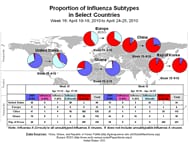
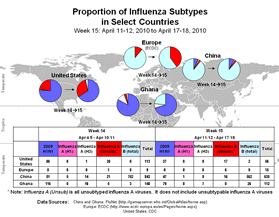
The most active areas of 2009 H1N1 influenza transmission are in the tropical regions of the Caribbean and Southeast Asia. In the tropical regions of South America, 2009 H1N1 and seasonal influenza viruses continue to co-circulate at low levels. Influenza B has been reported at low but increasing levels in certain South American countries.  

Influenza activity is low in most parts of the temperate Northern and Southern hemispheres, except for Chile, which has localized areas of 2009 H1N1 influenza activity. Intermittent detections of seasonal influenza A (H3N2) and 2009 H1N1 influenza viruses have been recently reported in Australia. In the European region, influenza activity is low and at levels normally seen during the summer. In addition, a low percentage (4.5%) of respiratory specimens collected in the European region through May 23, 2010, and submitted for laboratory testing have tested positive for influenza. Of the 80 influenza virus detections reported this week, 86% were influenza B. In Sub-Saharan Africa, 2009 H1N1 influenza activity in West Africa has now largely subsided.

For more information about the international situation, see the CDC H1N1 Flu International Situation page.

Recent Updates of Interest

Additional Updates on the CDC H1N1 Flu Website

To learn about other recent updates made to the CDC H1N1 Flu Website, please check the "What's New" page on the CDC H1N1 Flu website.


Modify/Update Subscriber Preferences  |  Unsubscribe  |  Send Feedback  |  Learn more about CDC Email Updates
 
To receive the latest news for your region, please update your profile with your country, state and zip code.
 
Questions or problems?  Please contact support@govdelivery.com.

Department of Health and Human Services

Fight Flu with Facts! • Visit Flu.gov
Call 800-232-4636 • Text UPDATES to 87000

Centers for Disease Control and Prevention

Centers for Disease Control and Prevention (CDC) · 1600 Clifton Rd · Atlanta GA 30333 · 800-CDC-INFO (800-232-4636)

Friday, May 21, 2010

CDC H1N1 Flu Website Situation Update, May 21, 2010

You are subscribed to updates from the Centers for Disease Control and Prevention (CDC).

CDC H1N1 Flu Website Situation Update, May 21, 2010 

Key Flu Indicators

Each week CDC analyzes information about influenza disease activity in the United States and publishes findings of key flu indicators in a report called FluView. During the week of May 9-May 15, 2010, nationally all key flu indicators are low. Activity levels at this time are similar to what is usually seen during the U.S. summer months. Below is a summary of the most recent key indicators:

  • Visits to doctors for influenza-like illness (ILI) decreased from last week, and are low nationally, with all 10 U.S. regions reporting ILI below region-specific baseline.
  • Laboratory-confirmed hospitalizations rates have leveled off.
  • The proportion of deaths attributed to pneumonia and influenza (P&I) based on the 122 Cities Report remained about the same as last week. No pediatric deaths were associated with flu were reported this week. Since April 2009, CDC has received reports of 338 flu laboratory-confirmed pediatric deaths: 282 due to 2009 H1N1, 53 pediatric deaths that were laboratory confirmed as influenza A, but the flu virus subtype was not determined, and three pediatric deaths that were associated with seasonal influenza viruses. (Laboratory-confirmed deaths are thought to represent an undercount of the actual number. CDC has provided estimates about the number of 2009 H1N1 cases and related hospitalizations and deaths).
  • No states reported widespread or regional influenza activity. This is the fifth consecutive week that no states reported widespread or regional flu activity. Most states are reporting no activity or sporadic activity.
  • The majority of the influenza viruses identified so far continue to be 2009 H1N1 influenza A viruses. These viruses remain similar to the virus chosen for the 2009 H1N1 vaccine and remain susceptible to the antiviral drugs oseltamivir and zanamivir with rare exception.

*All data are preliminary and may change as more reports are received.

Learn more >> 

U.S. Situation Update

Weekly Flu Activity Estimates

U.S. Patient Visits Reported for Influenza-like Illness (ILI)

U.S. Influenza-like Illness (ILI) Reported by Regions

U.S. Influenza-associated Pediatric Mortality
Posted May 21, 2010 (Updated Weekly)
Data reported to CDC by May 15, 2010
Date Reported
Laboratory-Confirmed 2009 H1N1 Influenza Pediatric Deaths
Laboratory-Confirmed Influenza A Subtype Unknown Pediatric Deaths
Laboratory-Confirmed
Seasonal
Influenza
Total
This Week (Week 19, May 9 - May 15, 2010) 0 0 0 0
Since August 30, 2009 222 50 1 273
Cumulative since April 26, 2009 282 53 3 338

This table is based on data reported to CDC through the Influenza-Associated Pediatric Mortality Surveillance System. Influenza-associated deaths in children (persons less than 18 years) was added as nationally notifiable condition in 2004.

For more information about influenza-associated pediatric mortality, see FluView.

For more information about the U.S. situation, see the CDC H1N1 Flu U.S. Situation page.

International Situation Update

This report provides an update to the international flu situation using data collected through May 16, 2010, and reported by the World Health Organization (WHO) on May 21.

WHO continues to report laboratory-confirmed 2009 H1N1 flu deaths on its web page.  These fatal cases are an under-representation of the actual numbers as many deaths are never tested or recognized as influenza related.

The most active areas of 2009 H1N1 influenza transmission are in the tropical regions of the Caribbean, South America, and Southeast Asia. Seasonal influenza B viruses, in addition to 2009 H1N1, are being reported in parts of Southeast Asia.  Influenza B viruses are the main influenza viruses in East Asia. 

Influenza activity is relatively low in most parts of the temperate northern and southern hemispheres, except for Chile, which has localized increases in ILI.  Both 2009 H1N1 and seasonal B viruses are being detected in Europe.  Transmission of 2009 H1N1 in Sub-Saharan Africa appears to have dropped markedly.

For more information about the international situation, see the CDC H1N1 Flu International Situation page.

Recent Updates of Interest

Additional Updates on the CDC H1N1 Flu Website

To learn about other recent updates made to the CDC H1N1 Flu Website, please check the "What's New" page on the CDC H1N1 Flu website.


Get H1N1 Updates & Health Tips via Text Message

For CDC Info, Text 'Health' to 87000. www.flu.govSign up to get health updates sent via text message. Messages are sent about three times a week with relevant H1N1 flu updates and timely health tips.

Text UPDATES to 87000 to sign up.

To learn more, see www.cdc.gov/mobile.


Modify/Update Subscriber Preferences  |  Unsubscribe  |  Send Feedback  |  Learn more about CDC Email Updates
 
To receive the latest news for your region, please update your profile with your country, state and zip code.
 
Questions or problems?  Please contact support@govdelivery.com.

Department of Health and Human Services

Fight Flu with Facts! • Visit Flu.gov
Call 800-232-4636 • Text UPDATES to 87000

Centers for Disease Control and Prevention

Centers for Disease Control and Prevention (CDC) · 1600 Clifton Rd · Atlanta GA 30333 · 800-CDC-INFO (800-232-4636)
Friday, May 14, 2010

CDC H1N1 Flu Website Situation Update, May 14, 2010

You are subscribed to updates from the Centers for Disease Control and Prevention (CDC).

CDC H1N1 Flu Website Situation Update, May 14, 2010 

Key Flu Indicators

Each week CDC analyzes information about influenza disease activity in the United States and publishes findings of key flu indicators in a report called FluView. During the week of May 2-May 8, 2010, nationally all key flu indicators are low. Activity levels at this time are similar to what is usually seen during the U.S. summer months. Below is a summary of the most recent key indicators:

  • Visits to doctors for influenza-like illness (ILI) remained stable from last week, but are low nationally, with all 10 U.S. regions reporting ILI below region-specific baseline.
  • Laboratory-confirmed hospitalizations rates have leveled off.
  • The proportion of deaths attributed to pneumonia and influenza (P&I) based on the 122 Cities Report decreased over last week. No pediatric deaths were associated with flu were reported this week. Since April 2009, CDC has received reports of 338 flu laboratory-confirmed pediatric deaths: 282 due to 2009 H1N1, 53 pediatric deaths that were laboratory confirmed as influenza A, but the flu virus subtype was not determined, and three pediatric deaths that were associated with seasonal influenza viruses. (Laboratory-confirmed deaths are thought to represent an undercount of the actual number. CDC has provided estimates about the number of 2009 H1N1 cases and related hospitalizations and deaths).
  • No states reported widespread or regional influenza activity. This is the fourth consecutive week that no states reported widespread or regional flu activity. Most states are reporting no activity or sporadic activity.
  • The majority of the influenza viruses identified so far continue to be 2009 H1N1 influenza A viruses. These viruses remain similar to the virus chosen for the 2009 H1N1 vaccine and remain susceptible to the antiviral drugs oseltamivir and zanamivir with rare exception.

*All data are preliminary and may change as more reports are received.

Learn more >> 

U.S. Situation Update

Weekly Flu Activity Estimates

U.S. Patient Visits Reported for Influenza-like Illness (ILI)

U.S. Influenza-like Illness (ILI) Reported by Regions

U.S. Influenza-associated Pediatric Mortality
Posted May 14, 2010 (Updated Weekly)
Data reported to CDC by May 8, 2010
Date Reported
Laboratory-Confirmed 2009 H1N1 Influenza Pediatric Deaths
Laboratory-Confirmed Influenza A Subtype Unknown Pediatric Deaths
Laboratory-Confirmed
Seasonal
Influenza
Total
This Week (Week 18, May 2- May 8, 2010) 0 0 0 0
Since August 30, 2009 222 50 1 273
Cumulative since April 26, 2009 282 53 3 338

This table is based on data reported to CDC through the Influenza-Associated Pediatric Mortality Surveillance System. Influenza-associated deaths in children (persons less than 18 years) was added as nationally notifiable condition in 2004.

For more information about influenza-associated pediatric mortality, see FluView.

For more information about the U.S. situation, see the CDC H1N1 Flu U.S. Situation page.

International Situation Update

This report provides an update to the international flu situation using data collected through May 9, 2010, and reported by the World Health Organization (WHO) on May 14. WHO continues to report laboratory-confirmed 2009 H1N1 flu deaths on its Web page. These fatal cases are an under representation of the actual numbers as many deaths are never tested or recognized as influenza related.

The most active areas of 2009 H1N1 influenza transmission are in the Caribbean, Central America, and tropical regions of South America. 2009 H1N1 viruses continue to circulate at low levels in West Africa, South and Southeast Asia. The severe acute respiratory infection (SARI) rate in select Caribbean countries has increased since mid-April 2010. In certain countries of Southeast Asia and Central Africa, an increase in the co-circulation of 2009 H1N1 and seasonal influenza type B viruses has been reported. In the Northern and Southern temperate regions of the Americas, sporadic 2009 H1N1 activity continues to be observed. In Europe, the number of influenza type B detections exceeded that of influenza A, and is persisting in parts of Southern and Eastern Europe. Chile continues to report increased influenza like illness (ILI) activity associated with co-circulation of 2009 H1N1 influenza and other respiratory viruses. 

For more information about the international situation, see the CDC H1N1 Flu International Situation page.

Recent Updates of Interest

  • UPDATE: 2009 H1N1 Flu International Situation Update
    This report provides an update to the international situation as of May 14, 2010. The World Health Organization (WHO) continues to report updated 2009 H1N1 flu-associated laboratory-confirmed cases and deaths on its Web page.
  • UPDATE: Weekly FluView Map and Surveillance Report for Week Ending May 8 2010
    During week 18 (May 2-8, 2010), influenza activity decreased in the U.S. 26 (1.5%) specimens tested by U.S. World Health Organization (WHO) and National Respiratory and Enteric Virus Surveillance System (NREVSS) collaborating laboratories and reported to CDC/Influenza Division were positive for influenza.

Additional Updates on the CDC H1N1 Flu Website

To learn about other recent updates made to the CDC H1N1 Flu Website, please check the "What's New" page on the CDC H1N1 Flu website.


Get H1N1 Updates & Health Tips via Text Message

For CDC Info, Text 'Health' to 87000. www.flu.govSign up to get health updates sent via text message. Messages are sent about three times a week with relevant H1N1 flu updates and timely health tips.

Text UPDATES to 87000 to sign up.

To learn more, see www.cdc.gov/mobile.


Modify/Update Subscriber Preferences  |  Unsubscribe  |  Send Feedback  |  Learn more about CDC Email Updates
 
To receive the latest news for your region, please update your profile with your country, state and zip code.
 
Questions or problems?  Please contact support@govdelivery.com.

Department of Health and Human Services

Fight Flu with Facts! • Visit Flu.gov
Call 800-232-4636 • Text UPDATES to 87000

Centers for Disease Control and Prevention

Centers for Disease Control and Prevention (CDC) · 1600 Clifton Rd · Atlanta GA 30333 · 800-CDC-INFO (800-232-4636)

Friday, May 7, 2010

CDC H1N1 Flu Website Situation Update, May 7, 2010

You are subscribed to updates from the Centers for Disease Control and Prevention (CDC).

CDC H1N1 Flu Website Situation Update, May 7, 2010

Key Flu Indicators

Each week CDC analyzes information about influenza disease activity in the United States and publishes findings of key flu indicators in a report called FluView. During the week of April 25-May 1, 2010, nationally all key flu indicators declined from the previous week. Overall, influenza activity is low in the United States. Below is a summary of the most recent key indicators:

  • Visits to doctors for influenza-like illness (ILI) declined from last week and are low nationally, with all 10 U.S. regions reporting ILI below region-specific baseline.
  • Laboratory-confirmed hospitalizations rates have leveled off.
  • The proportion of deaths attributed to pneumonia and influenza (P&I) based on the 122 Cities Report decreased slightly over last week, and in general, continues to be about what is expected. One pediatric death was reported this week associated with a 2009 H1N1 virus infection. Since April 2009, CDC has received reports of 338 laboratory-confirmed pediatric deaths: 282 due to 2009 H1N1, 53 pediatric deaths that were laboratory confirmed as influenza A, but the flu virus subtype was not determined, and three pediatric deaths that were associated with seasonal influenza viruses. (Laboratory-confirmed deaths are thought to represent an undercount of the actual number. CDC has provided estimates about the number of 2009 H1N1 cases and related hospitalizations and deaths).
  • No states reported widespread or regional influenza activity. This is the third consecutive week that no states are reporting widespread or regional flu activity since the week ending December 13, 2008. Most states are reporting no activity or sporadic activity.
  • The majority of the influenza viruses identified so far continue to be 2009 H1N1 influenza A viruses. These viruses remain similar to the virus chosen for the 2009 H1N1 vaccine and remain susceptible to the antiviral drugs oseltamivir and zanamivir with rare exception.

*All data are preliminary and may change as more reports are received.

Learn more >> 

U.S. Situation Update

Weekly Flu Activity Estimates

U.S. Patient Visits Reported for Influenza-like Illness (ILI)

U.S. Influenza-like Illness (ILI) Reported by Regions

U.S. Influenza-associated Pediatric Mortality
Posted May 7, 2010 (Updated Weekly)
Data reported to CDC by May 1, 2010
Date Reported
Laboratory-Confirmed 2009 H1N1 Influenza Pediatric Deaths
Laboratory-Confirmed Influenza A Subtype Unknown Pediatric Deaths
Laboratory-Confirmed
Seasonal
Influenza
Total
This Week (Week 17, April 21- May 1, 2010) 1 0 0 1
Since August 30, 2009 222 50 1 273
Cumulative since April 26, 2009 281 53 3 338

This table is based on data reported to CDC through the Influenza-Associated Pediatric Mortality Surveillance System. Influenza-associated deaths in children (persons less than 18 years) was added as nationally notifiable condition in 2004.

For more information about influenza-associated pediatric mortality, see FluView.

For more information about the U.S. situation, see the CDC H1N1 Flu U.S. Situation page.

International Situation Update

This report provides an update to the international flu situation using data collected through May 2, 2010, and reported by the World Health Organization (WHO) on May 7. WHO continues to report laboratory-confirmed 2009 H1N1 flu deaths on its Web page.  These fatal cases are an under representation of the actual numbers as many deaths are never tested or recognized as influenza related.

Currently, the most active areas of 2009 H1N1 transmission are in parts of West Africa, the Caribbean, and Southeast Asia.  2009 H1N1 transmission appears to be declining in Ghana after peaking in April.  Seasonal B viruses have become more prominent in Cameroon and the Democratic Republic of Congo.  In Guatemala, an increasing trend in respiratory disease has been reported in recent weeks. Cuba has noted increased detection of severe 2009 H1N1 cases since March, but overall activity may have peaked the first week of May.  Reports of school outbreaks due to 2009 H1N1 continue to occur in Malaysia. 

Respiratory disease activity has increased in Bangladesh since mid-April and appears to be due to both 2009 H1N1 and seasonal B viruses.  Respiratory disease activity remains low in East Asia, with influenza activity in some countries primarily attributable to seasonal B viruses.  Influenza activity in the southern hemisphere is sporadic, though the ILI levels in one region in Chile have been slightly above the epidemic threshold for four weeks.  Influenza virus circulation remains low in Europe.

For more information about the international situation, see the CDC H1N1 Flu International Situation page.

Recent Updates of Interest

Additional Updates on the CDC H1N1 Flu Website

To learn about other recent updates made to the CDC H1N1 Flu Website, please check the "What's New" page on the CDC H1N1 Flu website.


Get H1N1 Updates & Health Tips via Text Message

For CDC Info, Text 'Health' to 87000. www.flu.govSign up to get health updates sent via text message. Messages are sent about three times a week with relevant H1N1 flu updates and timely health tips.

Text UPDATES to 87000 to sign up.

To learn more, see www.cdc.gov/mobile.


Modify/Update Subscriber Preferences  |  Unsubscribe  |  Send Feedback  |  Learn more about CDC Email Updates
 
To receive the latest news for your region, please update your profile with your country, state and zip code.
 
Questions or problems?  Please contact support@govdelivery.com.

Department of Health and Human Services

Fight Flu with Facts! • Visit Flu.gov
Call 800-232-4636 • Text UPDATES to 87000

Centers for Disease Control and Prevention

Centers for Disease Control and Prevention (CDC) · 1600 Clifton Rd · Atlanta GA 30333 · 800-CDC-INFO (800-232-4636)

Sunday, May 2, 2010

CDC H1N1 Flu Website Situation Update, May 2, 2010

You are subscribed to updates from the Centers for Disease Control and Prevention (CDC).

CDC H1N1 Flu Website Situation Update, May 2, 2010

Key Flu Indicators

Each week CDC analyzes information about influenza disease activity in the United States and publishes findings of key flu indicators in a report called FluView. During the week of April 18-24, 2010, nationally all key flu indicators declined from the previous week. Overall, influenza activity is low in the United States. Below is a summary of the most recent key indicators:

  • Visits to doctors for influenza-like illness (ILI) declined from last week and are low nationally, with all 10 U.S. regions reporting ILI below region-specific baseline levels.
  • Laboratory-confirmed hospitalizations rates have leveled off.
  • The proportion of deaths attributed to pneumonia and influenza (P&I) based on the 122 Cities Report decreased over last week, and in general, continues to be about what is expected. No pediatric deaths were reported this week. Since April 2009, CDC has received reports of 337 laboratory-confirmed pediatric deaths: 281 due to 2009 H1N1, 53 pediatric deaths that were laboratory confirmed as influenza A, but the flu virus subtype was not determined, and three pediatric deaths that were associated with seasonal influenza viruses. (Laboratory-confirmed deaths are thought to represent an undercount of the actual number. CDC has provided estimates about the number of 2009 H1N1 cases and related hospitalizations and deaths).
  • No states reported widespread or regional influenza activity. This is the second consecutive week that no states are reporting widespread or regional flu activity since the week ending December 13, 2008.
  • The majority of the influenza viruses identified so far continue to be 2009 H1N1 influenza A viruses. These viruses remain similar to the virus chosen for the 2009 H1N1 vaccine and remain susceptible to the antiviral drugs oseltamivir and zanamivir with rare exception.

*All data are preliminary and may change as more reports are received.

Learn more >> 

U.S. Situation Update

Weekly Flu Activity Estimates

U.S. Patient Visits Reported for Influenza-like Illness (ILI)

U.S. Influenza-like Illness (ILI) Reported by Regions

For more information about the U.S. situation, see the CDC H1N1 Flu U.S. Situation page.

International Situation Update

This report provides an update to the international flu situation using data collected through April 25, 2010, and reported by the World Health Organization (WHO) on April 30. WHO continues to report laboratory-confirmed 2009 H1N1 flu cases and deaths on its Web page. These laboratory-confirmed cases represent a substantial underestimation of total cases in the world, as most countries focus surveillance and laboratory testing only on people with severe illness.

Currently, the most active areas of 2009 H1N1 transmission are in parts of West and Central Africa, and South and Southeast Asia. Localized flu activity due to 2009 H1N1 continues to occur in tropical regions of the Americas. Overall, influenza activity remains low in the Northern Hemisphere. In Europe, the total number of influenza B virus detections (79.1%) exceeded that of influenza A viruses (20.9%), with seven countries reporting influenza B as the dominant type of influenza virus in circulation. In the temperate zone of the Southern Hemisphere, influenza-like illness (ILI) activity remains low. In Australia, 2009 H1N1, seasonal influenza B and influenza A (H3N2) viruses have been reported sporadically. Influenza type B virus is the predominant influenza virus in East Asia and Northern and Eastern Europe, and is circulating at low levels across Central and West Africa. Flu activity due to influenza A (H3N2) viruses continues to be reported in South and Southeast Asia, as well as in some countries of Central and West Africa, and Eastern Europe.

For more information about the international situation, see the CDC H1N1 Flu International Situation page.

Recent Updates of Interest

  • UPDATE: 2009 H1N1 Flu International Situation Update
    This report provides an update to the international situation as of April 30, 2010. The World Health Organization (WHO) continues to report updated 2009 H1N1 flu-associated laboratory-confirmed cases and deaths on its Web page.
  • UPDATE: Weekly FluView Map and Surveillance Report for Week Ending April 24, 2010
    During week 16 (April 18-24, 2010), influenza activity decreased in the U.S.16 (1.2%) specimens tested by U.S. World Health Organization (WHO) and National Respiratory and Enteric Virus Surveillance System (NREVSS) collaborating laboratories and reported to CDC/Influenza Division were positive for influenza.

Additional Updates on the CDC H1N1 Flu Website

To learn about other recent updates made to the CDC H1N1 Flu Website, please check the "What's New" page on the CDC H1N1 Flu website.


Get H1N1 Updates & Health Tips via Text Message

For CDC Info, Text 'Health' to 87000. www.flu.govSign up to get health updates sent via text message. Messages are sent about three times a week with relevant H1N1 flu updates and timely health tips.

Text UPDATES to 87000 to sign up.

To learn more, see www.cdc.gov/mobile.


Modify/Update Subscriber Preferences  |  Unsubscribe  |  Send Feedback  |  Learn more about CDC Email Updates
 
To receive the latest news for your region, please update your profile with your country, state and zip code.
 
Questions or problems?  Please contact support@govdelivery.com.

Department of Health and Human Services

Fight Flu with Facts! • Visit Flu.gov
Call 800-232-4636 • Text UPDATES to 87000

Centers for Disease Control and Prevention

Centers for Disease Control and Prevention (CDC) · 1600 Clifton Rd · Atlanta GA 30333 · 800-CDC-INFO (800-232-4636)