Friday, July 31, 2009

CDC H1N1 Flu Website Situation Update, July 31, 2009

You are subscribed to updates from the Centers for Disease Control and Prevention (CDC).

Vaccination Recommendations 

With the new H1N1 virus continuing to cause illness, hospitalizations and deaths in the US during the normally flu-free summer months and some uncertainty and about what the upcoming flu season might bring, CDC's Advisory Committee on Immunization Practices has taken an important step in preparations for a voluntary novel H1N1 vaccination effort to counter a possibly severe upcoming flu season. On July 29, ACIP met to consider who should receive novel H1N1 vaccine when it becomes available.

Learn more >> 

U.S. Situation Update

Weekly Flu Activity Estimates

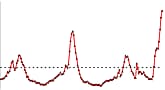
U.S. Patient Visits Reported for Influenza-like Illness (ILI)
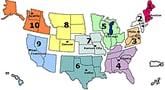
U.S. Influenza-like Illness (ILI) Reported by Regions
Total U.S. Novel H1N1 Flu Hospitalizations and Deaths
Posted July 31, 2009, 11:00 AM ET
Data reported to CDC by July 30, 2009, 11:00 AM ET
Reporting States and Territories*
Hospitalized Cases
Deaths
47 5,514 353

*Includes the District of Columbia, American Samoa, Guam, Puerto Rico and the U.S. Virgin Islands.

The number of hospitalized novel H1N1 cases and deaths presented in this table are an aggregate of reports received by CDC from U.S. states and territories and will be updated weekly each Friday at 11am. For state level information, refer to state health departments.

CDC discontinued reporting of individual confirmed and probable cases of novel H1N1 infection on July 24, 2009. CDC will report the total number of hospitalizations and deaths weekly, and continue to use its traditional surveillance systems to track the progress of the novel H1N1 flu outbreak.
For more information about CDC’s novel H1N1 influenza surveillance system, see
Questions & Answers About CDC's Novel H1N1 Influenza Surveillance.

International Human Cases of H1N1 Flu Infection
See:
World Health Organization.

For more information about the U.S. situation, see the CDC H1N1 Flu website.

International Situation Update

This situation report provides an update of the international situation as of July 28, 2009. As of July 27, WHO regions have reported 134,503 laboratory-confirmed cases of novel influenza A (H1N1) and 816 deaths. The lab-confirmed cases represent an underestimation of total cases in the world as many countries have shifted to strategies of clinical confirmation and prioritization of laboratory testing for only persons with severe illness and/or high risk conditions. Currently, the novel influenza A (H1N1) virus is the dominant influenza virus in circulation in New Zealand, Australia, Chile, Argentina and Brazil. Influenza viruses currently being detected in England and Canada are almost exclusively novel Influenza A (H1N1). Following a seasonal influenza season that was dominated by influenza A (H3N2) virus circulation, South Africa is now detecting novel influenza A (H1N1) through its routine surveillance system. However, currently influenza A (H3N2) remains the dominant virus in circulation in South Africa. Many seasonal influenza viruses from these countries have not been subtyped. Of those that have been subtyped in Australia, South Africa, and Argentina, the majority are influenza A (H3N2) viruses.This situation report provides an update of the international situation as of July 28, 2009. As of July 27, WHO regions have reported 134,503 laboratory-confirmed cases of novel influenza A (H1N1) and 816 deaths. The lab-confirmed cases represent an underestimation of total cases in the world as many countries have shifted to strategies of clinical confirmation and prioritization of laboratory testing for only persons with severe illness and/or high risk conditions. Currently, the novel influenza A (H1N1) virus is the dominant influenza virus in circulation in New Zealand, Australia, Chile, Argentina and Brazil. Influenza viruses currently being detected in England and Canada are almost exclusively novel Influenza A (H1N1). Following a seasonal influenza season that was dominated by influenza A (H3N2) virus circulation, South Africa is now detecting novel influenza A (H1N1) through its routine surveillance system. However, currently influenza A (H3N2) remains the dominant virus in circulation in South Africa. Many seasonal influenza viruses from these countries have not been subtyped. Of those that have been subtyped in Australia, South Africa, and Argentina, the majority are influenza A (H3N2) viruses.

Recent Updates of Interest

  • Weekly FluView Map and Surveillance Report for Week Ending July 25, 2009
    During week 29 (July 19-25, 2009), influenza activity decreased in the United States; however, there were still higher levels of influenza-like illness than is normal for this time of year.
  • Novel H1N1 Flu: Facts and Figures
    When the novel H1N1 flu outbreak was first detected in mid-April 2009, CDC began working with states to collect, compile and analyze information regarding the novel H1N1 outbreak. On July 24, 2009 official reporting of individual cases of confirmed and probable novel H1N1 infection was discontinued. This page provides a summary of information gathered during the first weeks of the outbreak. These key disease characteristics are thought to remain an accurate representation of novel H1N1 flu.
  • Novel H1N1 Vaccination Recommendations
    With the new H1N1 virus continuing to cause illness, hospitalizations and deaths in the US during the normally flu-free summer months and some uncertainty and about what the upcoming flu season might bring, CDC's Advisory Committee on Immunization Practices has taken an important step in preparations for a voluntary novel H1N1 vaccination effort to counter a possibly severe upcoming flu season. On July 29, ACIP met to consider who should receive novel H1N1 vaccine when it becomes available.
  • Managing Calls and Call Centers during a Large-Scale Influenza Outbreak: Implementation Tool
    During a response to a large-scale influenza outbreak such as the current H1N1 outbreak, a community�s 9-1-1 and healthcare systems may experience a surge in calls or walk-in visits for care, advice, and information. In fact, call volumes or walk-in visits could reach the point of overwhelming the 9-1-1 and healthcare systems, rendering them unable to respond to other emergencies in an efficient and effective manner.
  • Press Release: CDC Advisors Make Recommendations for Use of Vaccine Against Novel H1N1
    The CDC's Advisory Committee on Immunization Practices (ACIP) met July 29, 2009, to develop recommendations on who should receive vaccine against novel influenza A (H1N1) when it becomes available, and to determine which groups of the population should be prioritized if the vaccine is initially available in extremely limited quantities. The committee recommended the vaccination efforts focus on five key populations.
  • Audio and Transcript for July 29 CDC Press Briefing
    CDC Press Conference on Recommendations for Use of Vaccine Against Novel Influenza A (H1N1)
  • Interim Guidance for the Detection of Novel Influenza A Virus Using Rapid Influenza Diagnostic Tests
    This interim guidance provides an overview of the sensitivities of rapid influenza diagnostic tests (RIDT) in detecting novel influenza A (H1N1) virus in order to help guide the reporting and interpretation of test results.
  • Updated: Questions & Answers Novel H1N1 Influenza Vaccine
    Includes Questions & Answers such as "Will vaccination against the new H1N1 influenza be mandatory?"
  • Novel H1N1 Vaccination Guidance for State, Local, Tribal and Territorial Health Officials
    New page launched to provide resources for state and local governments. Includes General Planning Information, Large Scale Vaccination Clinic Planning, and Vaccine Storage and Handling.
  • Weekly FluView Map and Surveillance Report for Week Ending July 18, 2009
    During week 28 (July 12-18, 2009), influenza activity decreased in the United States, however, there were still higher levels of influenza-like illness than is normal for this time of year.

Additional Updates on the CDC H1N1 Flu Website

To learn about other recent updates made to the CDC H1N1 Flu Website, please check the "What's New" page on the CDC H1N1 Flu website


Modify/Update Email Preferences  |  Unsubscribe  |  Send Feedback  |  Learn more about CDC Email Updates
 
To receive the latest news for your region, please update your profile with your country, state and zip code.
 
Questions or problems?  Please contact support@govdelivery.com.
Centers for Disease Control and Prevention   Department of Health and Human Services


Centers for Disease Control and Prevention (CDC) · 1600 Clifton Rd · Atlanta GA 30333 · 800-CDC-INFO (800-232-4636)

Friday, July 24, 2009

CDC H1N1 Flu Website Situation Update, July 24, 2009

You are subscribed to updates from the Centers for Disease Control and Prevention (CDC).

NOTE: July 24, 2009 is the last day that CDC is providing individual confirmed and probable cases of novel H1N1 influenza. CDC will report the total number of hospitalizations and deaths each week, and continue to use its traditional surveillance systems to track the progress of the novel H1N1 flu outbreak. For more information about CDC’s novel H1N1 influenza surveillance system, see Questions & Answers About CDC's Novel H1N1 Influenza Surveillance.

Situation Summary

Since the WHO declaration of a pandemic, the new H1N1 virus has continued to spread, with the number of countries reporting cases of novel H1N1 nearly doubling. The Southern Hemisphere’s regular influenza season has begun and countries there are reporting that the new H1N1 virus is spreading and causing illness along with regular seasonal influenza viruses. In the United States, significant novel H1N1 illness has continued into the summer, with localized and in some cases intense outbreaks occurring. The United States continues to report the largest number of novel H1N1 cases of any country worldwide, however, most people who have become ill have recovered without requiring medical treatment.

Learn more >> 

U.S. Human Cases of H1N1 Flu Infection

As of 11:00 AM ET on July 24, 2009, CDC is reporting 43,771 confirmed and probable cases and 302 deaths in 55 states and territories:

States and
Territories
Confirmed and Probable Cases Deaths
States
Alabama
477 cases
0 deaths
Alaska
272 cases
0 deaths
Arizona
947 cases
15 deaths
Arkansas
131 cases
0 deaths
California
3161 cases
52 deaths
Colorado
171 cases
0 deaths
Connecticut
1713 cases
8 deaths
Delaware
381 cases
0 deaths
Florida
2915 cases
23 deaths
Georgia
222 cases
1 death
Hawaii
1424 cases
3 deaths
Idaho
166 cases
0 deaths
Illinois
3404 cases
17 deaths
Indiana
291 cases
1 death
Iowa
165 cases
0 deaths
Kansas
204 cases
0 deaths
Kentucky
143 cases
0 deaths
Louisiana
232 cases
0 deaths
Maine
145 cases
0 deaths
Maryland
766 cases
4 deaths
Massachusetts
1370 cases
5 deaths
Michigan
515 cases
9 deaths
Minnesota
670 cases
3 deaths
Mississippi
252 cases
0 deaths
Missouri
76 cases
1 death
Montana
94 cases
0 deaths
Nebraska
313 cases
1 death
Nevada
467 cases
0 deaths
New Hampshire
247 cases
0 deaths
New Jersey
1414 cases
15 deaths
New Mexico
232 cases
0 deaths
New York
2738 cases
63 deaths
North Carolina
483 cases
5 deaths
North Dakota
63 cases
0 deaths
Ohio
188 cases
1 death
Oklahoma
189 cases
1 death
Oregon
524 cases
5 deaths
Pennsylvania
1960 cases
8 deaths
Rhode Island
192 cases
2 deaths
South Carolina
244 cases
0 deaths
South Dakota
45 cases
0 deaths
Tennessee
283 cases
1 death
Texas
5151 cases
27 deaths
Utah
988 cases
16 deaths
Vermont
59 cases
0 deaths
Virginia
327 cases
2 deaths
Washington
658 cases
7 deaths
Washington, D.C.
45 cases
0 deaths
West Virginia
243 cases
0 deaths
Wisconsin
6222 cases
6 deaths
Wyoming
111 cases
0 deaths
Territories
American Samoa
8 cases
0 deaths
Guam
1 case
0 deaths
Puerto Rico
20 cases
0 deaths
Virgin Islands
49 cases
0 deaths
TOTAL (55)
43,771 cases
302 deaths

NOTE: Because of daily reporting deadlines, the state totals reported by CDC may not always be consistent with those reported by state health departments. If there is a discrepancy between these two counts, data from the state health departments should be used as the most accurate number.

For more information, see the CDC H1N1 Flu website.

International Human Cases of H1N1 Flu Infection

For information about the global situation, see the World Health Organization website.

Recent Updates of Interest

Additional Updates on the CDC H1N1 Flu Website

To learn about other recent updates made to the CDC H1N1 Flu Website, please check the "What's New" page on the CDC H1N1 Flu website


Modify/Update Email Preferences  |  Unsubscribe  |  Send Feedback  |  Learn more about CDC Email Updates
 
To receive the latest news for your region, please update your profile with your country, state and zip code.
 
Questions or problems?  Please contact support@govdelivery.com.
Centers for Disease Control and Prevention   Department of Health and Human Services


Centers for Disease Control and Prevention (CDC) · 1600 Clifton Rd · Atlanta GA 30333 · 800-CDC-INFO (800-232-4636)

Friday, July 17, 2009

CDC H1N1 Flu Website Situation Update

You are subscribed to updates from the Centers for Disease Control and Prevention (CDC).

Situation Summary

On June 11, 2009, the World Health Organizatio n (WHO) signaled that a global pandemic of novel influenza A (H1N1) was underway by raising the worldwide pandemic alert level to Phase 6. This action was a reflection of the spread of the new H1N1 virus, not the severity of illness caused by the virus. At the time, more than 70 countries had reported cases of novel influenza A (H1N1) infection and there were ongoing community level outbreaks of novel H1N1 in multiple parts of the world.

Since the WHO declaration of a pandemic, the new H1N1 virus has continued to spread, with the number of countries reporting cases of novel H1N1 nearly doubling. The Southern Hemisphere’s regular influenza season has begun and countries there are reporting that the new H1N1 virus is spreading and causing illness along with regular seasonal influenza viruses. In the United States, significant novel H1N1 illness has continued into the summer, with localized and in some cases intense outbreaks occurring. The United States continues to report the largest number of novel H1N1 cases of any country worldwide, however, most people who have become ill have recovered without requiring medical treatment.

Learn more >> 

U.S. Human Cases of H1N1 Flu Infection

As of 11:00 AM ET on July 17, 2009, CDC is reporting 40,617 confirmed and probable cases and 263 deaths in 55 states and territories (including the District of Columbia, American Samoa, Guam, Puerto Rico and the U.S. Virgin Islands.):

States and
Territories
Confirmed and Probable Cases Deaths
States
Alabama
477 cases
0 deaths
Alaska
218 cases
0 deaths
Arizona
762 cases
11 deaths
Arkansas
47 cases
0 deaths
California
3161 cases
52 deaths
Colorado
155 cases
0 deaths
Connecticut
1581 cases
7 deaths
Delaware
364 cases
0 deaths
Florida
2188 cases
12 deaths
Georgia
174 cases
1 death
Hawaii
722 cases
1 death
Idaho
143 cases
0 deaths
Illinois
3357 cases
15 deaths
Indiana
282 cases
1 death
Iowa
165 cases
0 deaths
Kansas
186 cases
0 deaths
Kentucky
143 cases
0 deaths
Louisiana
232 cases
0 deaths
Maine
133 cases
0 deaths
Maryland
732 cases
3 deaths
Massachusetts
1343 cases
5 deaths
Michigan
515 cases
8 deaths
Minnesota
660 cases
3 deaths
Mississippi
219 cases
0 deaths
Missouri
70 cases
1 death
Montana
94 cases
0 deaths
Nebraska
264 cases
1 death
Nevada
406 cases
0 deaths
New Hampshire
247 cases
0 deaths
New Jersey
1350 cases
14 deaths
New Mexico
232 cases
0 deaths
New York
2670 cases
57 deaths
North Carolina
395 cases
4 deaths
North Dakota
61 cases
0 deaths
Ohio
161 cases
1 death
Oklahoma
176 cases
1 death
Oregon
465 cases
5 deaths
Pennsylvania
1914 cases
8 deaths
Rhode Island
188 cases
2 deaths
South Carolina
244 cases
0 deaths
South Dakota
39 cases
0 deaths
Tennessee
247 cases
1 death
Texas
4975 cases
24 deaths
Utah
966 cases
14 deaths
Vermont
59 cases
0 deaths
Virginia
319 cases
2 deaths
Washington
636 cases
deaths
Washington, D.C.
45 cases
0 deaths
West Virginia
227 cases
0 deaths
Wisconsin
6031 cases
5 deaths
Wyoming
106 cases
0 deaths
Territories
American Samoa
cases
0 deaths
Guam
case
0 deaths
Puerto Rico
18 cases
0 deaths
Virgin Islands
44 cases
0 deaths
TOTAL (55)
40,617 cases
263 deaths

NOTE: Because of daily reporting deadlines, the state totals reported by CDC may not always be consistent with those reported by state health departments. If there is a discrepancy between these two counts, data from the state health departments should be used as the most accurate number.

For more information, see the CDC H1N1 Flu website.

International Human Cases of H1N1 Flu Infection

For information about the global situation, see the World Health Organization website.

Recent Updates of Interest

Additional Updates on the CDC H1N1 Flu Website

To learn about other recent updates made to the CDC H1N1 Flu Website, please check the "What's New" page on the CDC H1N1 Flu website


Modify/Update Email Preferences  |  Unsubscribe  |  Send Feedback  |  Learn more about CDC Email Updates
 
To receive the latest news for your region, please update your profile with your country, state and zip code.
 
Questions or problems?  Please contact support@govdelivery.com.
Centers for Disease Control and Prevention   Department of Health and Human Services


Centers for Disease Control and Prevention (CDC) · 1600 Clifton Rd · Atlanta GA 30333 · 800-CDC-INFO (800-232-4636)

Friday, July 10, 2009

CDC H1N1 Flu Website Situation Update

You are subscribed to updates from the Centers for Disease Control and Prevention (CDC).

Situation Summary

On June 11, 2009, the World Health Organizatio n (WHO) signaled that a global pandemic of novel influenza A (H1N1) was underway by raising the worldwide pandemic alert level to Phase 6. This action was a reflection of the spread of the new H1N1 virus, not the severity of illness caused by the virus. At the time, more than 70 countries had reported cases of novel influenza A (H1N1) infection and there were ongoing community level outbreaks of novel H1N1 in multiple parts of the world.

Since the WHO declaration of a pandemic, the new H1N1 virus has continued to spread, with the number of countries reporting cases of novel H1N1 nearly doubling. The Southern Hemisphere’s regular influenza season has begun and countries there are reporting that the new H1N1 virus is spreading and causing illness along with regular seasonal influenza viruses. In the United States, significant novel H1N1 illness has continued into the summer, with localized and in some cases intense outbreaks occurring. The United States continues to report the largest number of novel H1N1 cases of any country worldwide, however, most people who have become ill have recovered without requiring medical treatment.

Learn more >> 

U.S. Human Cases of H1N1 Flu Infection

As of 11:00 AM ET on July 10, 2009, CDC is reporting 37,246 confirmed and probable cases and 211 deaths in 54 states and territories (including the District of Columbia, Guam, Puerto Rico and the U.S. Virgin Islands.):

States and
Territories
Confirmed and Probable Cases Deaths
States
Alabama
400 cases
0 deaths
Alaska
122 cases
0 deaths
Arizona
762 cases
11 deaths
Arkansas
42 cases
0 deaths
California
2461 cases
31 deaths
Colorado
146 cases
0 deaths
Connecticut
1364 cases
6 deaths
Delaware
347 cases
0 deaths
Florida
1781 cases
7 deaths
Georgia
138 cases
0 deaths
Hawaii
722 cases
1 deaths
Idaho
115 cases
0 deaths
Illinois
3259 cases
14 deaths
Indiana
273 cases
0 deaths
Iowa
156 cases
0 deaths
Kansas
136 cases
0 deaths
Kentucky
130 cases
0 deaths
Louisiana
183 cases
0 deaths
Maine
107 cases
0 deaths
Maryland
686 cases
2 deaths
Massachusetts
1328 cases
4 deaths
Michigan
489 cases
8 deaths
Minnesota
634 cases
3 deaths
Mississippi
188 cases
0 deaths
Missouri
68 cases
1 death
Montana
67 cases
0 deaths
Nebraska
215 cases
0 deaths
Nevada
327 cases
0 deaths
New Hampshire
237 cases
0 deaths
New Jersey
1289 cases
10 deaths
New Mexico
232 cases
0 deaths
New York
2582 cases
52 deaths
North Carolina
312 cases
2 deaths
North Dakota
58 cases
0 deaths
Ohio
147 cases
1 death
Oklahoma
150 cases
0 deaths
Oregon
403 cases
4 deaths
Pennsylvania
1794 cases
6 deaths
Rhode Island
177 cases
2 deaths
South Carolina
176 cases
0 deaths
South Dakota
34 cases
0 deaths
Tennessee
213 cases
0 deaths
Texas
4463 cases
21 deaths
Utah
953 cases
14 deaths
Vermont
50 cases
0 deaths
Virginia
306 cases
2 deaths
Washington
636 cases
deaths
Washington, D.C.
45 cases
0 deaths
West Virginia
179 cases
0 deaths
Wisconsin
6031 cases
4 deaths
Wyoming
99 cases
0 deaths
Territories
Guam
case
0 deaths
Puerto Rico
18 cases
0 deaths
Virgin Islands
15 cases
0 deaths
TOTAL (54)
37,246 cases
211 deaths

NOTE: Because of daily reporting deadlines, the state totals reported by CDC may not always be consistent with those reported by state health departments. If there is a discrepancy between these two counts, data from the state health departments should be used as the most accurate number.

For more information, see the CDC H1N1 Flu website.

International Human Cases of H1N1 Flu Infection

For information about the global situation, see the World Health Organization website.

Recent Updates of Interest

Additional Updates on the CDC H1N1 Flu Website

To learn about other recent updates made to the CDC H1N1 Flu Website, please check the "What's New" page on the CDC H1N1 Flu website


Modify/Update Email Preferences  |  Unsubscribe  |  Send Feedback  |  Learn more about CDC Email Updates
 
To receive the latest news for your region, please update your profile with your country, state and zip code.
 
Questions or problems?  Please contact support@govdelivery.com.
Centers for Disease Control and Prevention   Department of Health and Human Services


Centers for Disease Control and Prevention (CDC) · 1600 Clifton Rd · Atlanta GA 30333 · 800-CDC-INFO (800-232-4636)